The Comprehensive Handbook to Selecting an E Bike Rack
Wiki Article
Explore the Different Kinds Of Bike Rack and Their Practical Applications for Biking Enthusiasts
The range of bike Racks readily available today caters to the diverse requirements of cycling enthusiasts. From freestanding to wall-mounted options, each design uses one-of-a-kind benefits for storage space and transport. Mobile Racks also provide flexibility for those on the move. Nevertheless, selecting the optimal type requires cautious factor to consider of particular requirements. Understanding these elements can make a significant distinction in both comfort and security for bicyclists. What are the vital factors to consider when selecting a bike shelf?Recognizing Bike Shelf Types
Different kinds of bike Racks deal with the varied needs of cyclists. Among one of the most usual are freestanding shelfs, usually found in city areas, which allow multiple bikes to be secured in a portable space. Wall-mounted Racks offer those with limited flooring room, supplying an effective solution for home storage space. Additionally, mobile bike shelfs, designed for convenience of transportation, appeal to bikers that frequently take a trip.
Hitch-Mounted Bike Racks
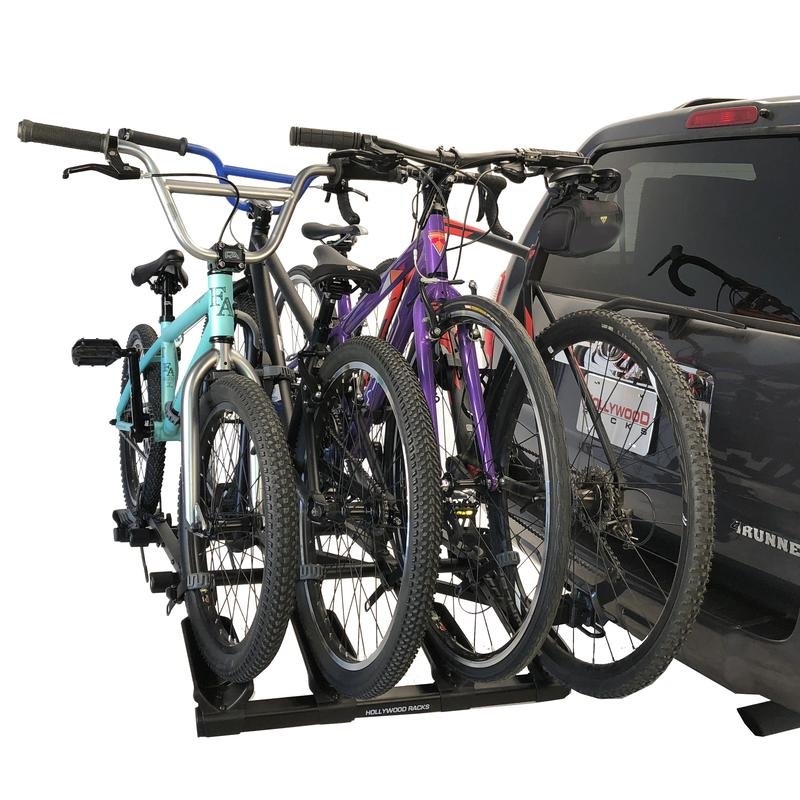
Hitch-mounted bike Racks provide a functional solution for delivering bikes, however recognizing their setup procedure is vital for efficient usage. Users have to likewise take into consideration the weight capability of these Racks to ensure safety and stability while taking a trip. Additionally, compatibility with different car types plays a substantial duty in figuring out the ideal rack for individual requirements.Setup Refine Summary
When selecting a hitch-mounted bike rack, recognizing the installation process is important for assuring security and convenience. First, the user has to validate compatibility between the shelf and the lorry's hitch receiver. A lot of Racks are designed for either 2-inch or 1.25-inch receivers. After picking the suitable shelf, the installment starts with securing the shelf into the hitch receiver and tightening the hitch pin or screw to avoid activity. Appropriate alignment is important to ascertain the shelf does not block tail lights or permit plates. Once mounted, it is a good idea to look for stability by using slight stress to the rack. Complying with the producer's instructions will assure an effective installation, promoting a secure cycling experience on the roadway.Weight Capability Considerations
Compatibility With Lorry Kind
Choosing the appropriate bike rack involves validating compatibility with numerous car kinds. Hitch-mounted bike Racks are developed to connect to the back hitch receiver of an automobile, making them ideal for a vast array of cars and trucks, SUVs, and trucks. However, it is necessary to check the drawback course and weight capability to verify an appropriate fit. The majority of hitch-mounted Racks work with 1.25-inch and 2-inch receivers, accommodating cars furnished with suitable towing abilities. Furthermore, customers ought to consider their vehicle's elevation and style, as some Racks might obstruct rear gain access to or require added clearance. Eventually, understanding automobile specs confirms that biking enthusiasts can firmly move their bikes without endangering security or performance.Trunk-Mounted Bike Racks
Trunk-mounted bike Racks offer a practical option for bikers looking for a reliable means to move their bikes. Understanding the installment process is necessary for optimal usage, as incorrect configuration can lead to safety issues. In addition, taking into consideration the weight capacity of these Racks guarantees that they can safely hold the bikes without risk of damages or failing during transportation.Installment Refine Introduction
Numerous cycling lovers appreciate the ease of trunk-mounted bike Racks for their ease of use and convenience. The installment process commonly starts with unpacking the rack and familiarizing oneself with its elements. Many Racks feature flexible straps and hooks developed to secure them to the lorry's trunk or hatch. Customers must validate the rack is located properly, straightening it with the vehicle's contours for stability. Complying with the producer's directions, the bands are after that tightened safely, ensuring a tight fit. It is very important to check that the shelf does not block the lorry's lights or permit plate. Verifying that all connections are safe and secure prior to loading bikes is vital for safe transport. Appropriate installment boosts both safety and effectiveness during cycling journeys.Weight Ability Considerations
When taking into consideration a bike shelf for transferring bicycles, weight capability is an important aspect that can not be forgotten. Trunk-mounted bike Racks typically carry weight restrictions that vary depending on the model and layout. It is important for individuals to examine these requirements to guarantee they do not exceed the recommended weight, as doing so can jeopardize both safety and security and car integrity. A lot of trunk-mounted Racks can sustain 1 or 2 bikes, with a mixed weight ability varying from 70 to 120 pounds. Bicyclists ought to also take into consideration the weight of their bicycles, particularly if they have larger designs like electric bikes. Correctly matching the rack's weight capability with the bikes' weights guarantees a risk-free and safe and secure transportation experience.Roof-Mounted Bike Racks
Roof-mounted bike Racks use a streamlined remedy for delivering bicycles, providing cyclists with the benefit of taking full advantage of freight space. These Racks are made to hold bikes securely atop the vehicle, enabling easy accessibility to the rear of the vehicle and preventing blockages to the permit plate or tail lights. They are suitable for people who often travel with their bikes, as they can accommodate different bicycle designs and dimensions.Installment commonly entails connecting the rack to the automobile's crossbars, making sure a risk-free and stable fit. Roof-mounted Racks are light-weight and frequently wind resistant, which can lead to enhanced gas efficiency contrasted to other types of racks. However, customers must think about the height of their vehicle when filling and dumping bikes, along with possible difficulties when entering garages or low-clearance locations. Overall, roof-mounted bike Racks provide a efficient and versatile alternative for devoted cyclists on the go
Wall-Mounted Bike Racks
Wall-mounted bike Racks provide an effective service for bikers seeking to make best use of restricted area while securely keeping their bikes. These Racks are perfect for city occupants or those with little garages, as they elevate bikes off the ground and utilize vertical space. Made from tough materials, wall-mounted options can accommodate different bike types, including mountain, roadway, and crossbreed bikes.Setup is uncomplicated, enabling customers to mount them in garages, basements, and even outside spaces. Lots of styles permit one or multiple bikes, making them versatile for individual or family usage. Furthermore, some wall-mounted Racks included integrated locks or security features to deter burglary, improving assurance for bikers.
Portable Bike Racks
Mobile bike Racks use bicyclists a convenient and versatile solution for transporting their bicycles. These Racks are created for very easy installment and removal, making them perfect for those who require to often change in between automobiles or areas. Portable and generally lightweight, mobile bike Racks can be easily saved in a trunk or garage, reducing the problem of permanent installments.There are numerous kinds of portable bike shelfs, including hitch-mounted, trunk-mounted, and roof-mounted options, each providing to various car kinds and cyclist preferences. Hitch-mounted Racks supply security and ease of access, while trunk-mounted Racks are frequently more functional and economical. Roof-mounted Racks are excellent for making best use of cargo room yet may require some lifting.
Picking the Right Bike Rack for Your Needs
Just how can one determine the finest bike shelf to suit their certain biking requirements? Identifying the right bike shelf includes examining a number of aspects. Initially, one must think about the kind of lorry utilized for transport, as Racks are designed for various mounting systems, such as trunk, drawback, or roof covering. Next off, the number of bikes to be carried is crucial; some Racks accommodate just one, while others can hold several bikes successfully. Additionally, establishing the weight and frame style of the bikes is considerable, as certain Racks are better suited for much heavier or uniquely designed bicycles. Ultimately, desired usage ought to be taken into consideration; frequent vacationers may choose a more portable alternative, while periodic individuals may focus on simpleness and convenience of setup. By meticulously evaluating these factors to consider, individuals can pick a bike shelf that satisfies their needs and improves their cycling experience.
Regularly Asked Questions
Can Bike Racks Accommodate Different Bike Sizes and Styles?
Bike Racks differ in layout, making it possible for accommodation for different bike dimensions and designs. Some Racks feature flexible elements, while others are particularly tailored for sure bikes, ensuring safe and secure storage and very easy availability no matter of the bike's Bike Rack requirements.Just how Do I Appropriately Safeguard My Bike on a Shelf?
To appropriately safeguard a bike on a shelf, one must assure the frame and wheels are tightly secured using bands or locks, checking for stability and avoiding motion throughout transportation to stay clear of damage.Are Bike Racks Easy to Eliminate and set up?
Bike Racks differ in installment complexity, however several are designed for user-friendliness. Detachable models normally use straightforward configuration and elimination, while permanent setups might call for devices and even more time, relying on the particular style.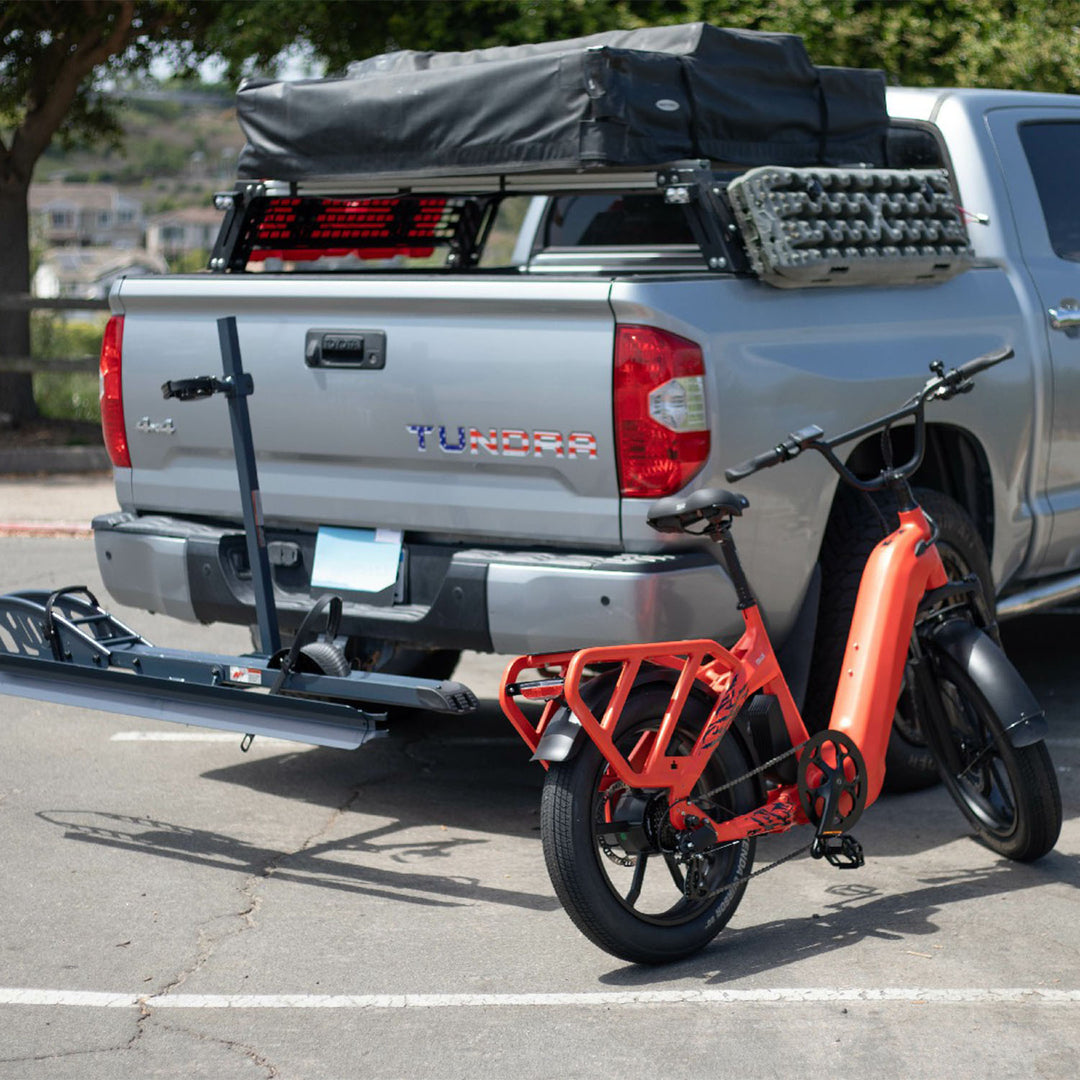
What Materials Are Bike Racks Generally Made From?
Bike Racks are usually made from materials such as steel, plastic, and aluminum. Bike Rack. Steel supplies toughness and stamina, while light weight aluminum supplies light-weight transportability. Plastic choices are frequently made for simplicity of use and costDo Bike Racks Affect Fuel Effectiveness When Driving?
When driving is considerable, the question of whether bike Racks affect gas efficiency. Research studies suggest that bike Racks can raise wind resistant drag, possibly leading to decreased gas effectiveness, particularly at higher speeds or with extra weight.After picking the appropriate rack, the installation begins with protecting the rack right into the hitch receiver and tightening the drawback pin or screw to prevent activity. Roof-mounted Racks are typically wind resistant and lightweight, which can lead to enhanced gas efficiency contrasted to various other kinds of racks. Hitch-mounted Racks supply security and access, while trunk-mounted Racks are often extra affordable and functional. Next, the number of bikes to be brought is vital; some Racks accommodate just one, while others can hold multiple bikes effectively. Bike Racks vary in style, enabling holiday accommodation for different bike dimensions and designs.
Report this wiki page